Health
Rethinking Weight Loss: Metabolic and Hormonal Shifts After 40
If you’ve ever thought, “I’m doing the same things I used to, but nothing is working anymore,” you’re not imagining it.
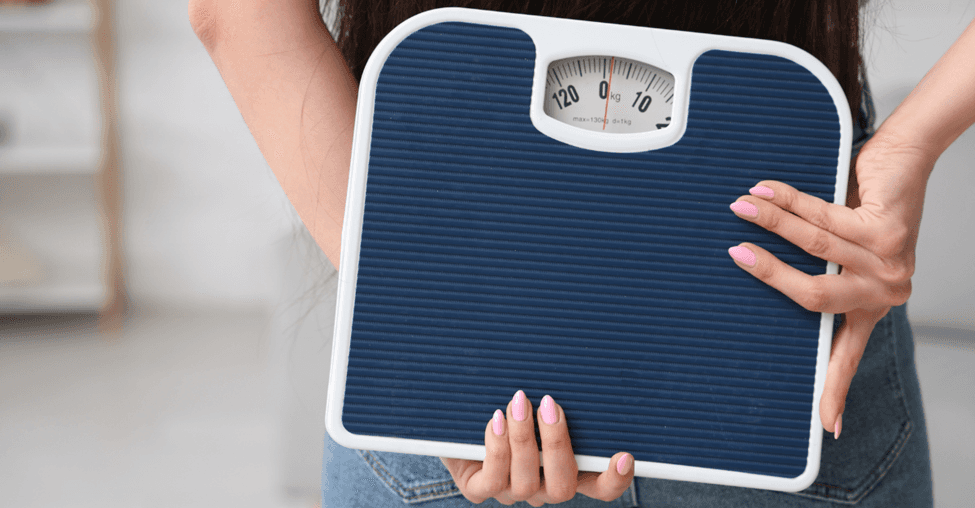

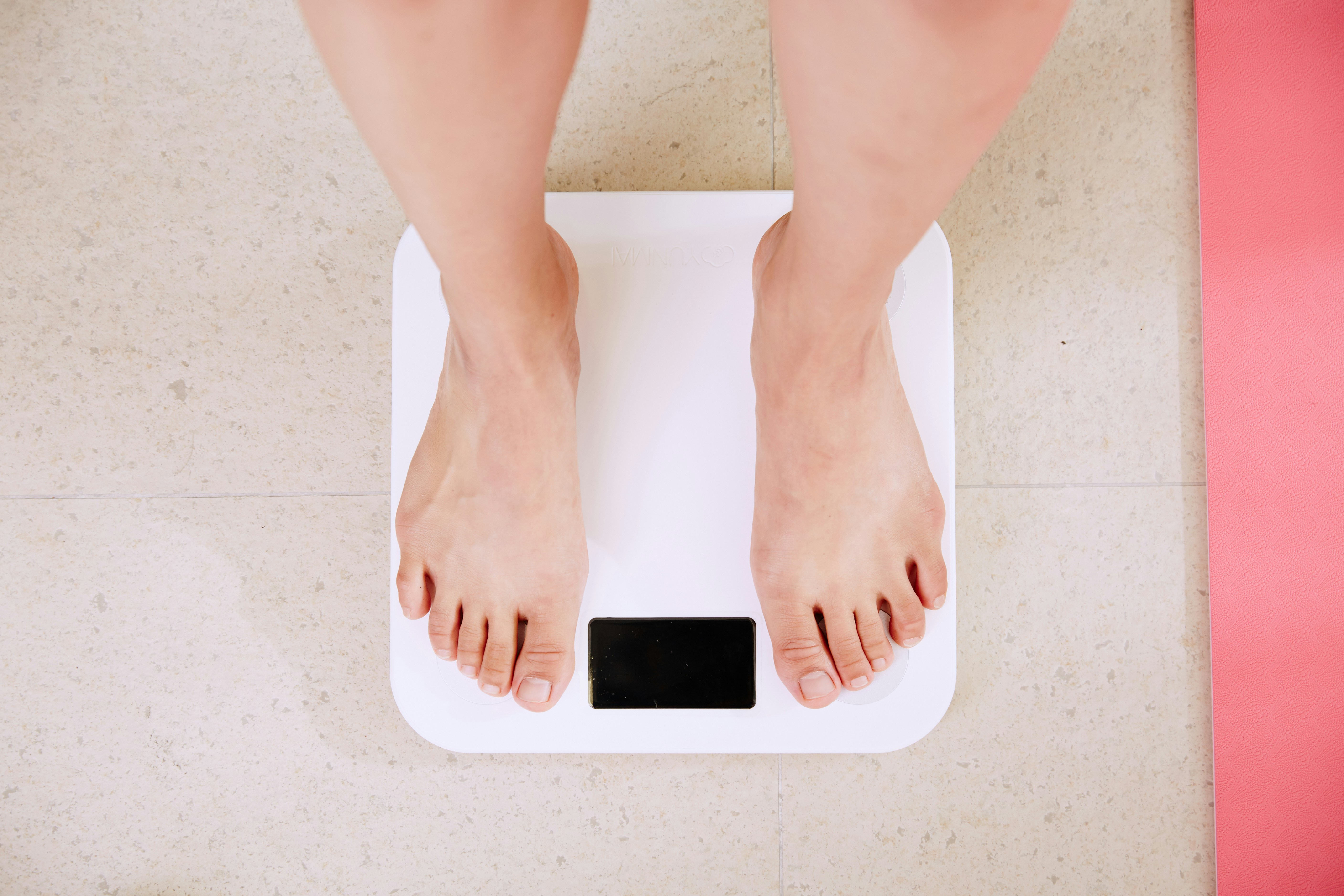
Weight loss after 40
Weight loss after 40 often feels different. What used to work in your 20s or 30s, whether that was cutting calories, adding more cardio, or simply being more active, doesn’t always lead to the same results.
This is one of the most common frustrations we hear, and it makes sense when you understand what’s changing under the surface.
Let’s walk through the good, the bad, and the more complex realities of weight loss in this stage of life.
The Good: Your Body Is Not Working Against You
First, it’s important to understand that your body is not working against you. It’s adapting.
As we move through our 40s and beyond, the body becomes more sensitive to stress, recovery, and metabolic signals. It’s trying to protect energy, maintain balance, and respond to changing hormone levels.
It’s a shift in how the system regulates itself. The opportunity here is that when you work with these changes rather than against them, results often become more sustainable.
The Bad: What Used to Work Often Stops Working
This is where frustration tends to build. Strategies like eating less, doing more cardio, skipping meals, and following very low-calorie diets may have worked before. But over time, they can actually slow metabolism, increase stress hormones, and make weight loss harder.
After 40, the body becomes less tolerant of extremes. Instead of responding with fat loss, it may respond with:
● Increased fatigue
● Muscle loss
● Plateaus
● Stronger hunger signals
The Ugly: Hormones, Stress, and Metabolism
This is where things become more complex.
Hormonal Shifts
Changes in hormones such as estrogen, progesterone, testosterone, and insulin can influence:
● Where fat is stored
● How easily muscle is maintained
● Appetite and cravings
● Energy levels
For many women, perimenopause and menopause play a significant role. For men, a gradual testosterone decline can also affect body composition.
Stress and Cortisol
Chronic stress becomes more impactful with age. Higher cortisol levels can:
● Promote fat storage, especially around the abdomen
● Disrupt sleep
● Increase cravings for sugar and carbohydrates
If stress and recovery are not addressed, weight loss becomes much more difficult.
Insulin Sensitivity
Over time, the body may become less sensitive to insulin, making it easier to store fat and harder to access it for energy. This can show up as:
● Energy crashes
● Increased hunger
● Difficulty losing weight despite effort
Where GLP-1 Medications Fit In
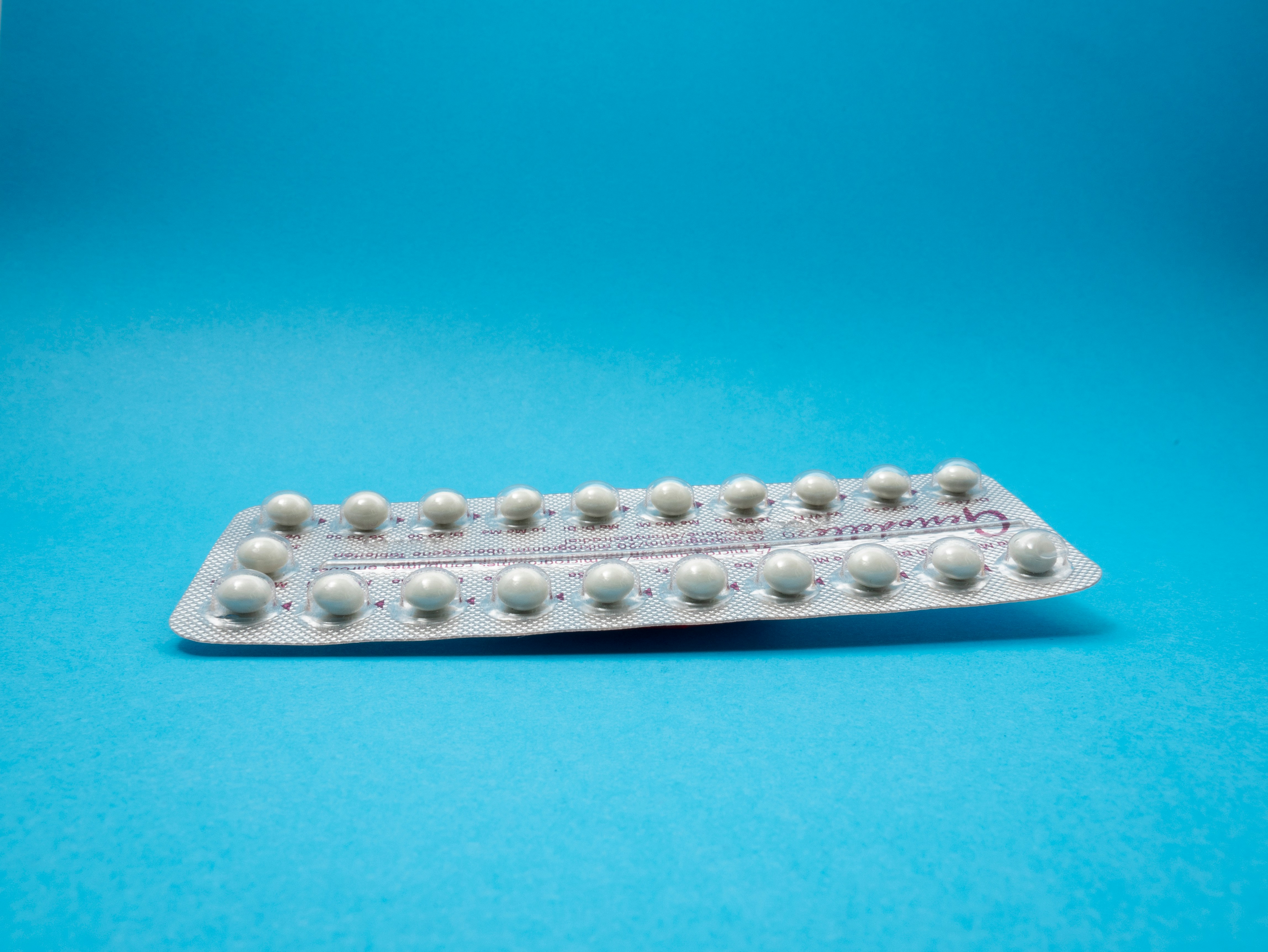
There’s been a lot of attention around GLP-1 medications recently. These medications work by:
● Reducing appetite
● Slowing gastric emptying
● Supporting blood sugar regulation
For some individuals, they can be a helpful tool, especially when weight is significantly impacting health. However, they are not a complete solution on their own.
Without addressing nutrition quality, muscle mass, stress and sleep, underlying metabolic health, weight regain or other challenges can still occur over time.
These medications can be part of a broader plan, but they are not a replacement for addressing root causes.
What Actually Works After 40
The approach needs to shift from restriction to support.
● Prioritizing Protein and Muscle. Maintaining and building muscle becomes essential. Muscle supports metabolism, insulin sensitivity, and long-term weight regulation.
● Strength Training Over Excessive Cardio. While movement is important, too much cardio without strength training can work against you. Strength training helps preserve lean mass and improve metabolic function.
● Supporting Hormonal Balance. This includes managing blood sugar, supporting sleep, addressing nutrient deficiencies, and considering individualized testing when appropriate.
● Managing Stress and Recovery. This is often overlooked, but it is critical. Improving sleep quality, reducing chronic stress, and allowing adequate recovery can significantly influence weight outcomes.
● Personalization. There is no one-size-fits-all plan. What works best depends on your metabolic health, hormonal profile, lifestyle, and history with dieting and weight loss.
Weight loss after 40 is not just about calories in and calories out. It’s influenced by hormones, metabolism, stress, and how your body has adapted over time. What worked before may not work now, not because you’re doing something wrong, but because your body is operating under a different set of conditions.
When the approach shifts to support those changes, progress often becomes more consistent and sustainable.
Ready for a More Personalized Approach?
Ready for a More Personalized Approach?
If you’ve been feeling stuck or frustrated with your progress, it may be time to look deeper.
Book an appointment today to explore a personalized plan that takes into account your hormones, metabolism, and overall health.
cascadevitalitycenter.com
Conclusion
References
Hall, K. D., & Kahan, S. (2018). Maintenance of lost weight and long-term management of obesity. Medical Clinics of North America, 102(1), 183–197.
Jastreboff, A. M., et al. (2022). Tirzepatide once weekly for the treatment of obesity. New England Journal of Medicine, 387, 205–216.
Wilding, J. P. H., et al. (2021). Once-weekly semaglutide in adults with overweight or obesity. New England Journal of Medicine, 384, 989–1002.
Lovejoy, J. C., & Sainsbury, A. (2009). Sex differences in obesity and the regulation of energy homeostasis. Obesity Reviews, 10(2), 154–167.
Rosenbaum, M., & Leibel, R. L. (2010). Adaptive thermogenesis in humans. International Journal of Obesity, 34(S1), S47–S55.
Friedman, J. (2019). Leptin and the endocrine control of energy balance. Nature Metabolism, 1, 754–764.
Articles
Discover our other articles
Explore our articles to know the best behavior about alimentation and well-being.